

Flooring transitions become especially noticeable on a staircase, where every step links one surface to another. A woven runner can complement stone tile, a cream design can soften sandy hardwood, and a darker carpet can stand out against white and oak. The following ideas offer practical ways to coordinate materials without losing the character of the home.
Runner Patterns
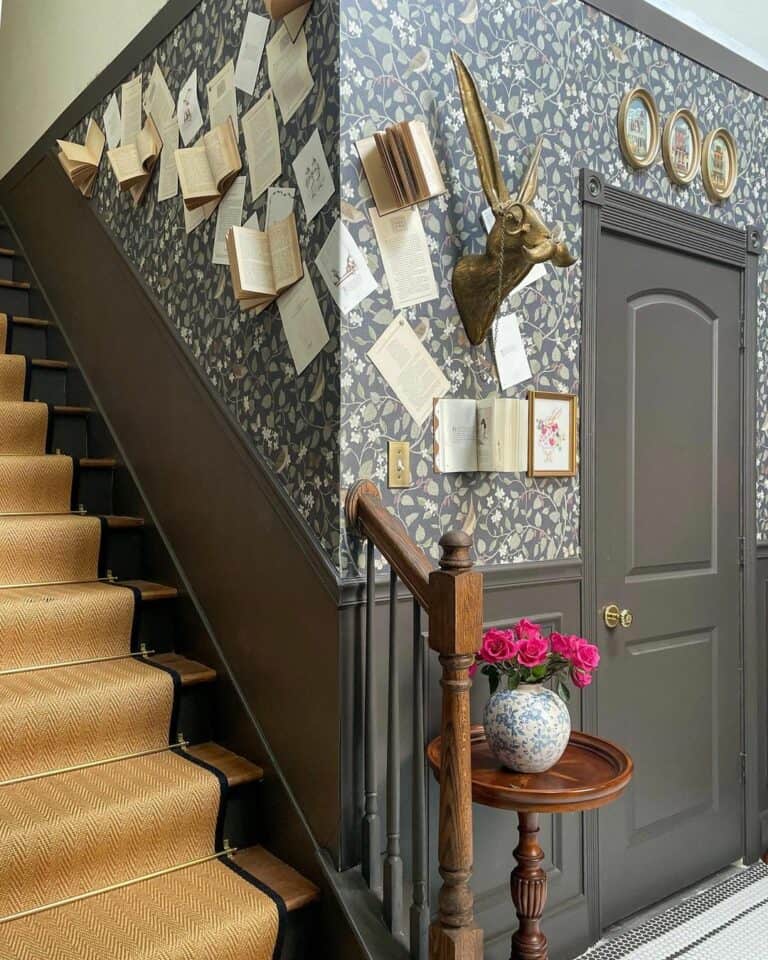
A golden woven runner sits prominently in the entryway of this Victorian-style home. The stair runner has a timeless quality, but Candice, a home decor enthusiast, says the carpet pattern is what changes the final result.
Plush Carpet
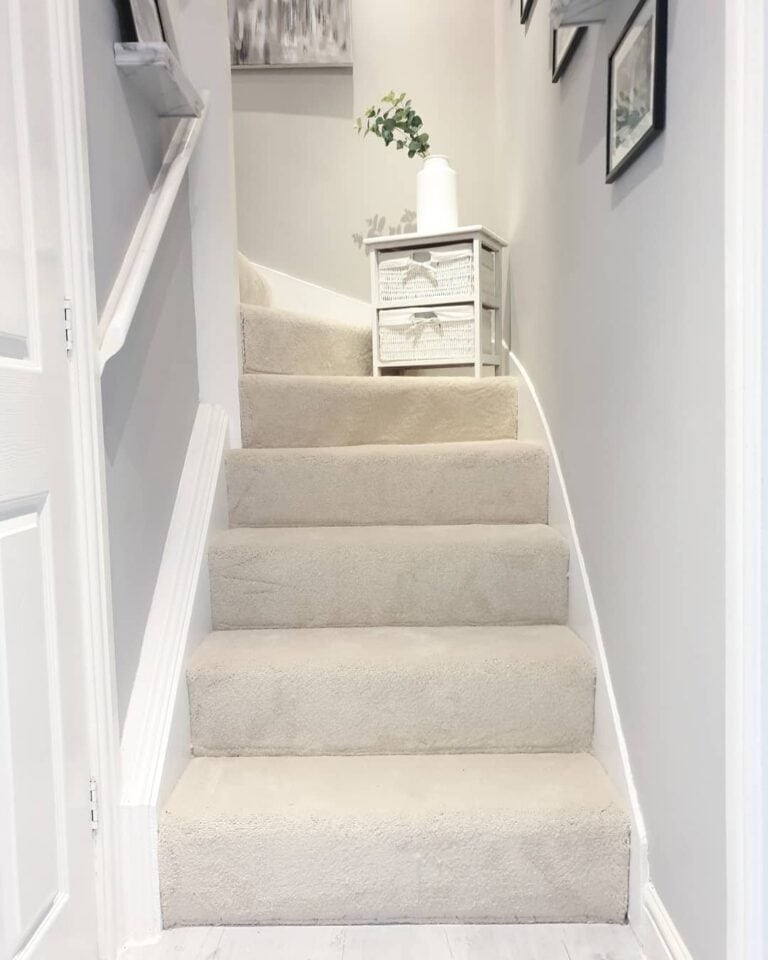
The plush carpet is used in the basement, and the same soft new carpet also appears in the upstairs loft. It is a personal favorite of the source narrator, although plush carpet can be challenging to keep clean.
High-quality thread helps retain softness and supports long-term softness and shine. Choose a gentle neutral carpet color that complements the wall paint, and have the carpet professionally cleaned twice a year.
Whipped Carpet Stitching
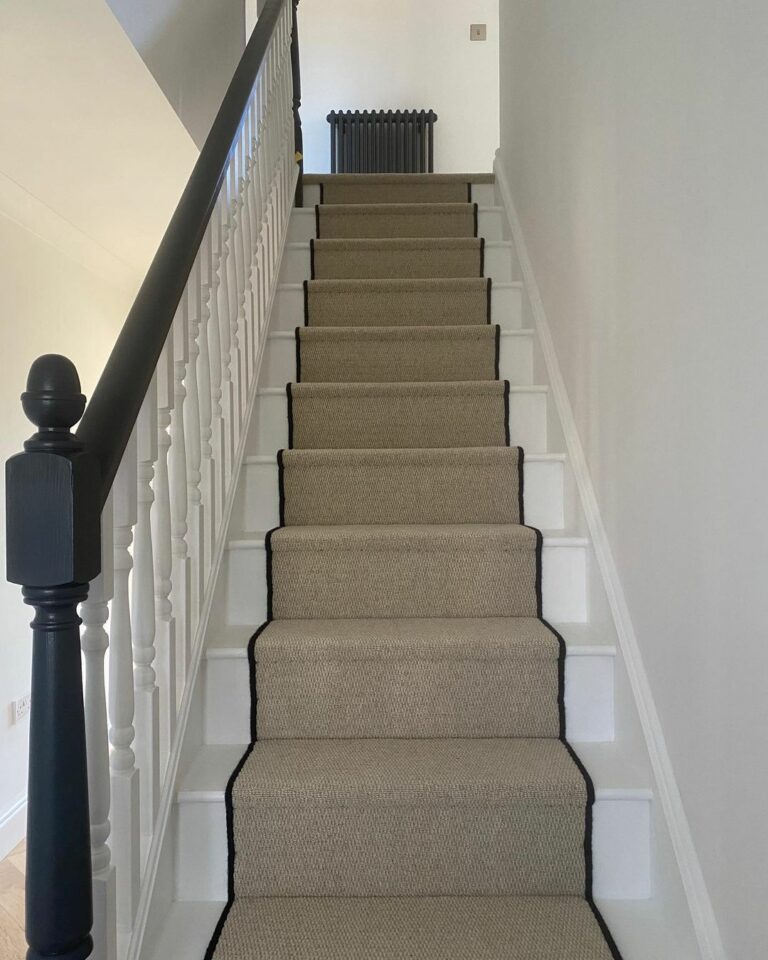
A custom runner with black whipped edging blends with the brown textured carpet that extends through the home’s top level. The carpet is on the top level. Jaime considers a runner a higher-end choice with a nicer-looking appearance.
Stair Rods
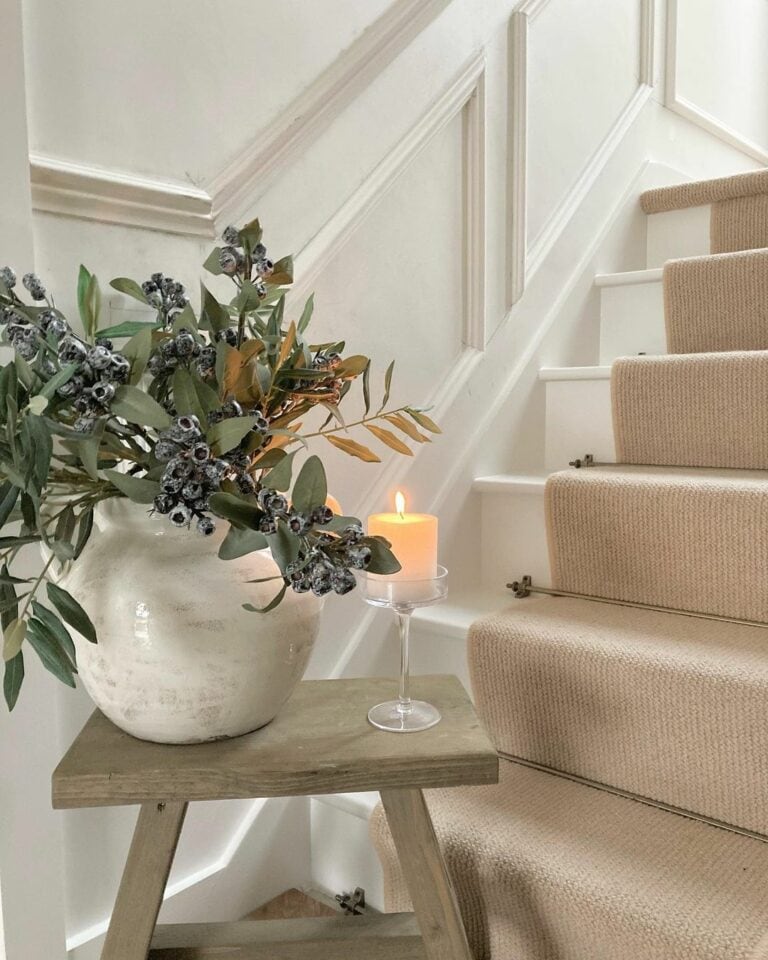
Stair rods help secure a custom runner and support its stability. Some runners fail to stay down, which makes runner matching especially important on twisting stairs.
Match the runner to the landing carpet so the two blend together. Lauren says runners can be difficult to find, especially ones that work well and look good.
Carpet Hardwood Tone Mix
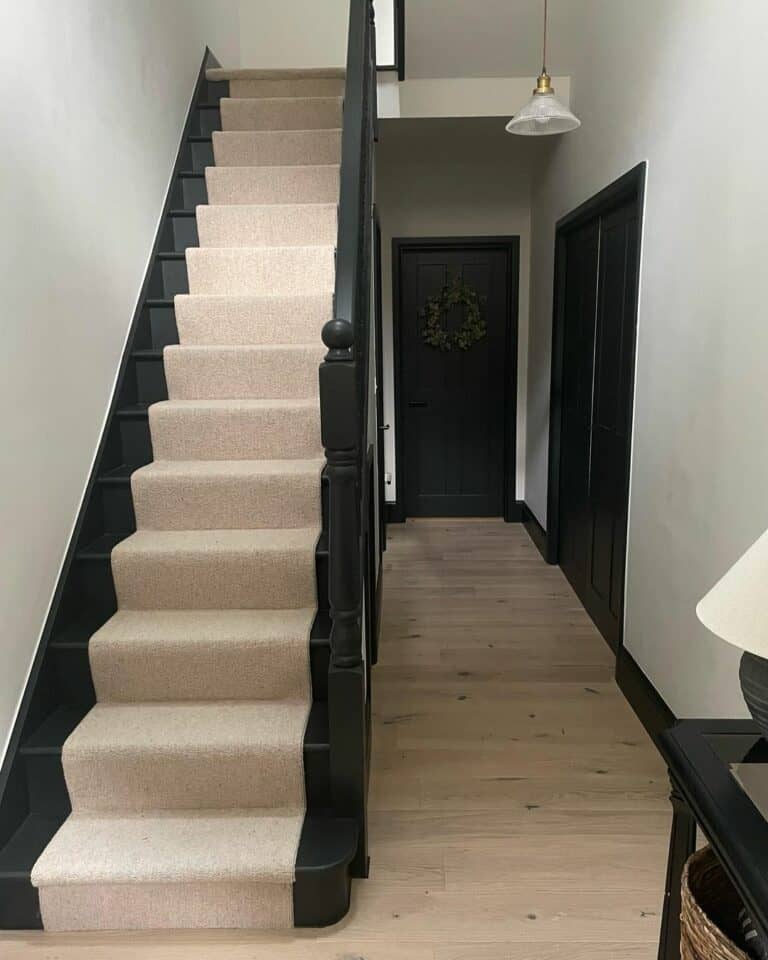
The first-floor hardwood has a sandy tone, while the light-colored stair runner is cream. Its color is similar to the hardwood, helping the two materials blend. Black stair treads contrast with the bright neutrals.
Runner for Stair Tread Protection
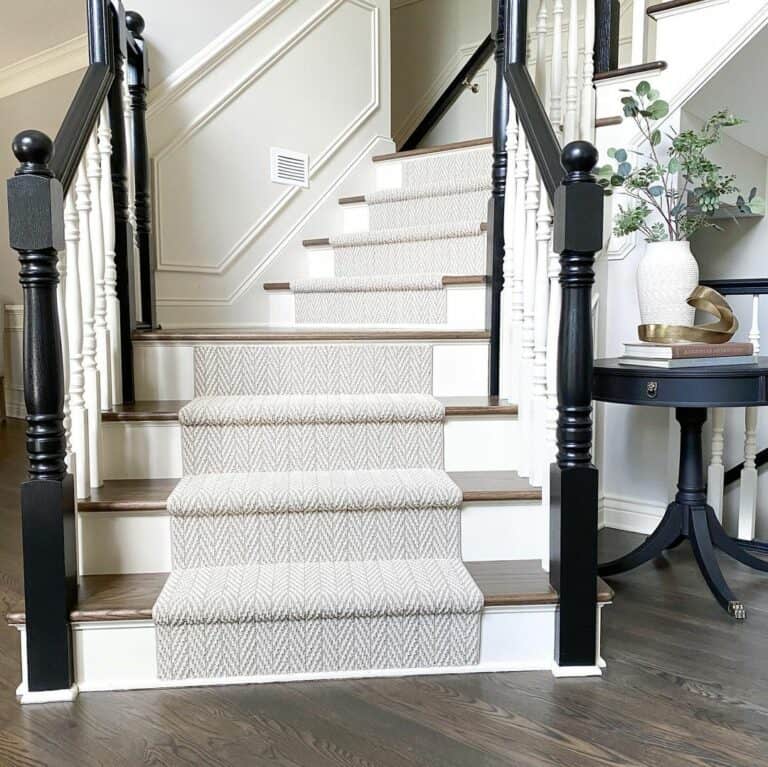
The three-tone stairwell pairs with a neutral chevron runner. Brown-and-white stair treads have a highly polished finish and a glossy sheen, which the runner helps preserve.
The runner also protects the treads. Nina recommends it for nice stair treads.
Carpet Stair Transition
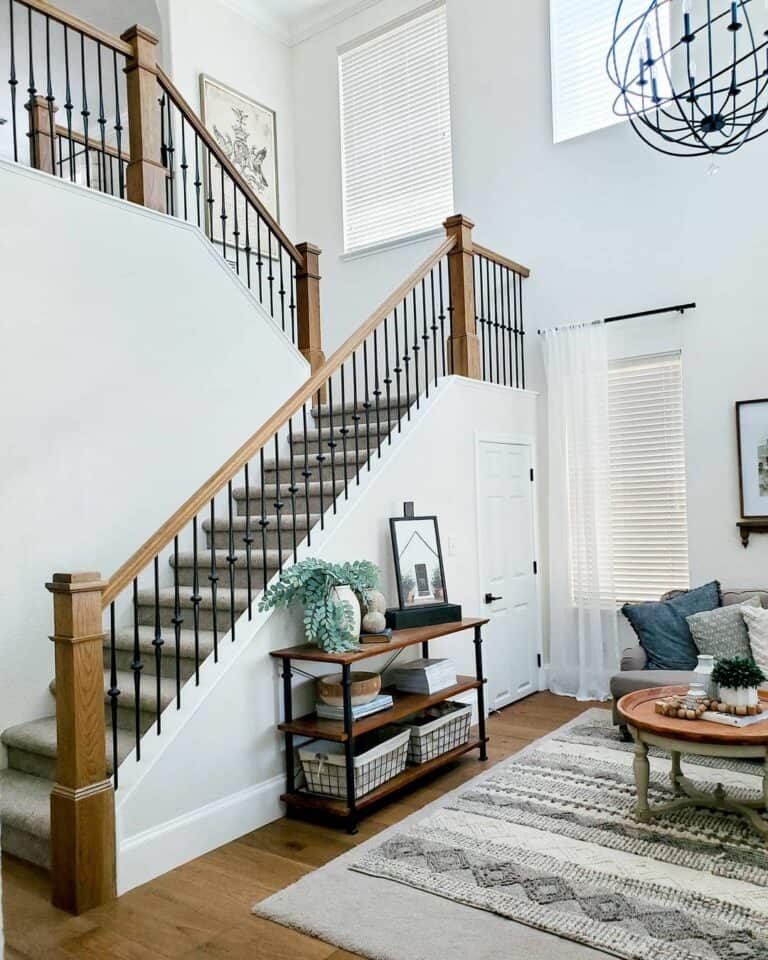
Upstairs carpet covers the bedrooms and continues through the stairwell, transitioning to hardwood downstairs. The upper-level carpet adds home comfort, but the stairwell carpet requires enhanced cleaning. A handheld vacuum can clean it while protecting the walls and trim.
Stair Runner Color Selection
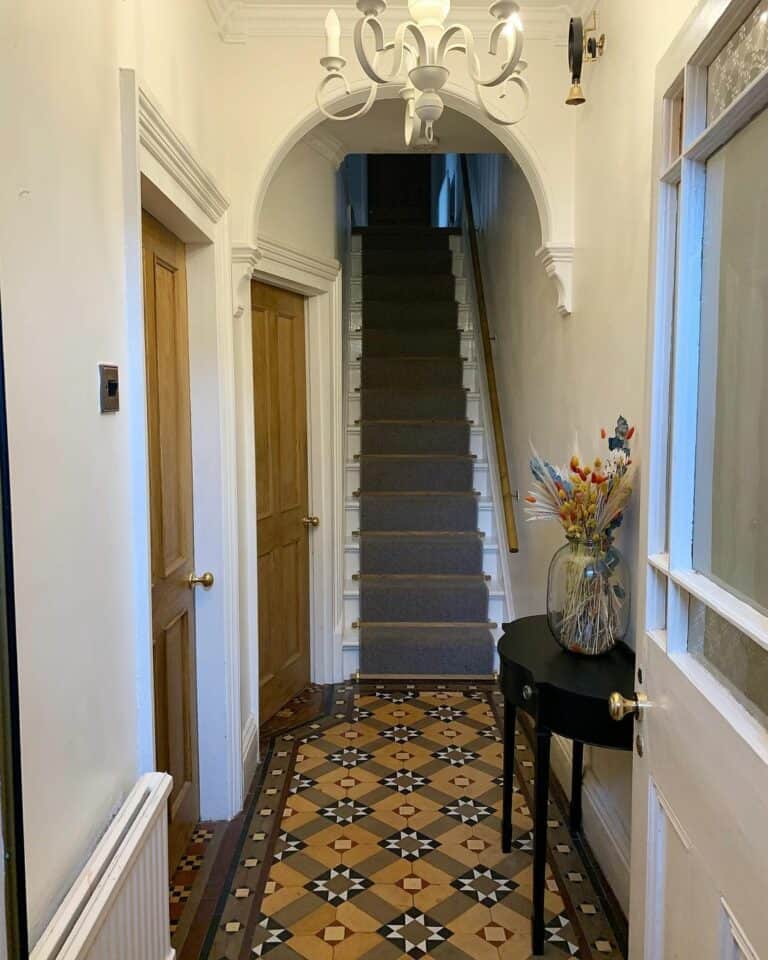
The Victorian entryway has an intricately tiled Mosiac floor, and Victorian homes require rich colors. A dark gray runner covers the white stairs and is used with metallic rods. Match the stairwell colors to the entryway tile colors.
Stone Floor Runner Transition
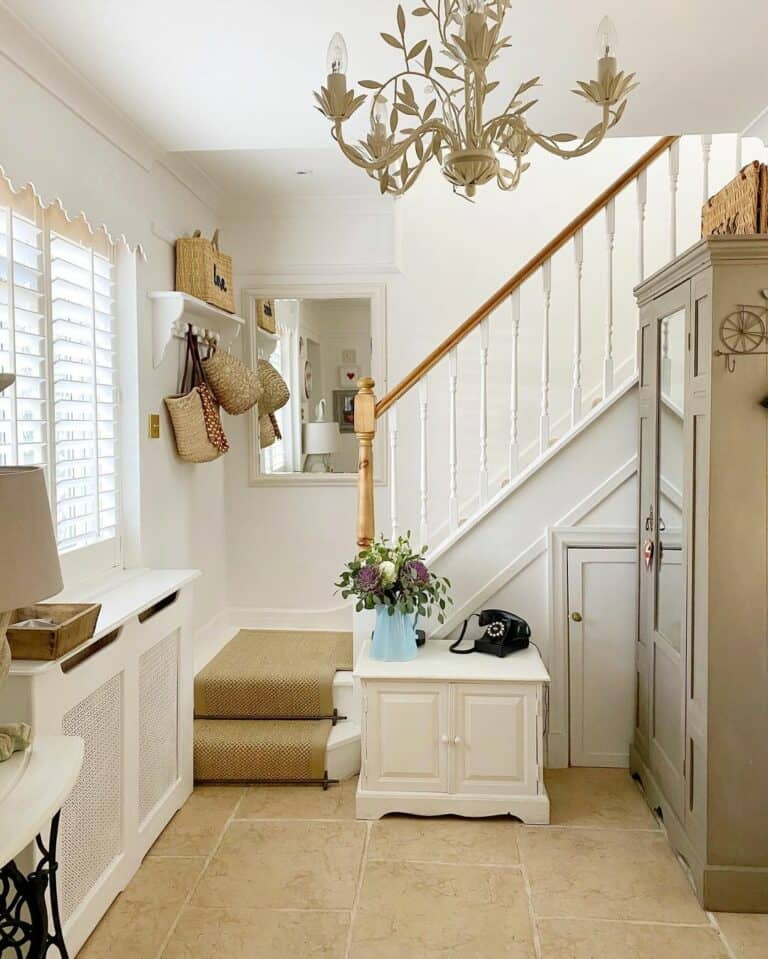
A beige, woven, organic stair runner with criss-cross stitching runs up the white staircase. The entryway floor is stone tile. The runner material matters as much as its color and inspires a country-life interior.
Dark Runner Carpet Contrast
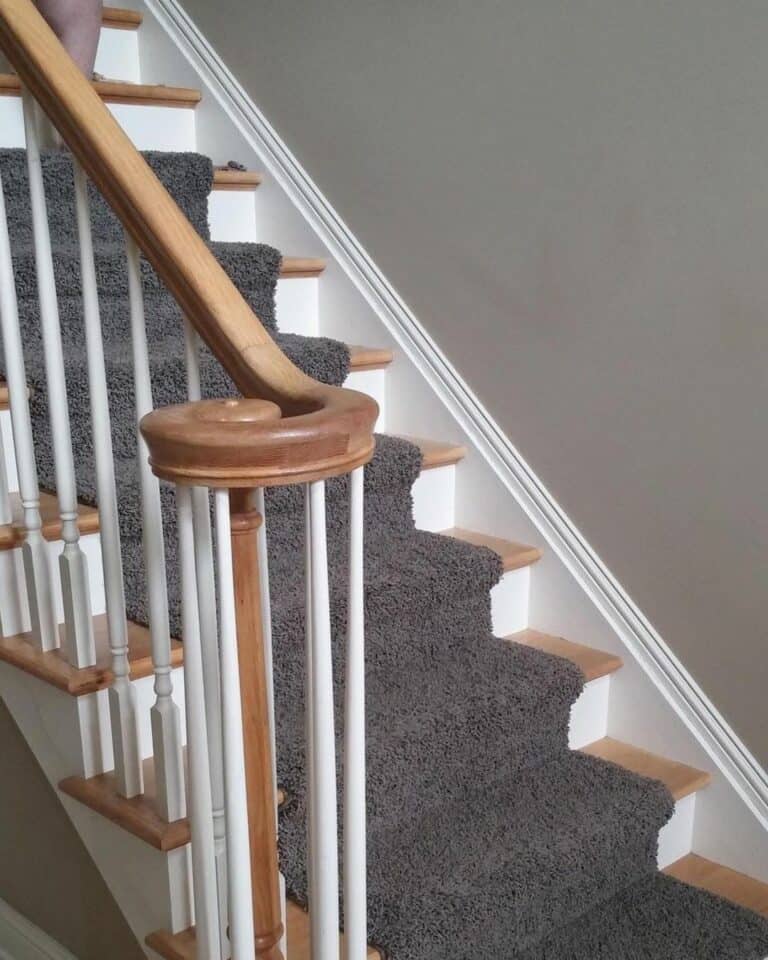
Photo Credit
A deep gray runner contrasts with a two-tone stairwell in white and oak. Stair users should remove their shoes.
Carpet Compromise
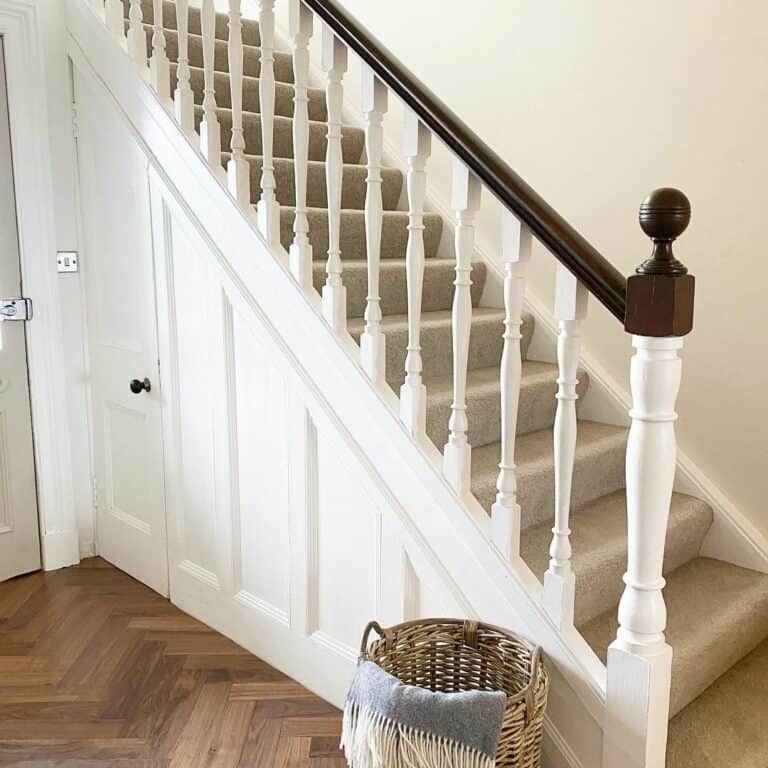
Carpet can be just as welcoming and cozy as a stair runner, while avoiding the hassle of protecting each tread. In an antique home with petite stairwells and narrow, low-hanging door frames, a stair runner may suit the desired aesthetic but limits the available space. Holly says a team runner requires wider treads.
Personality Through Design
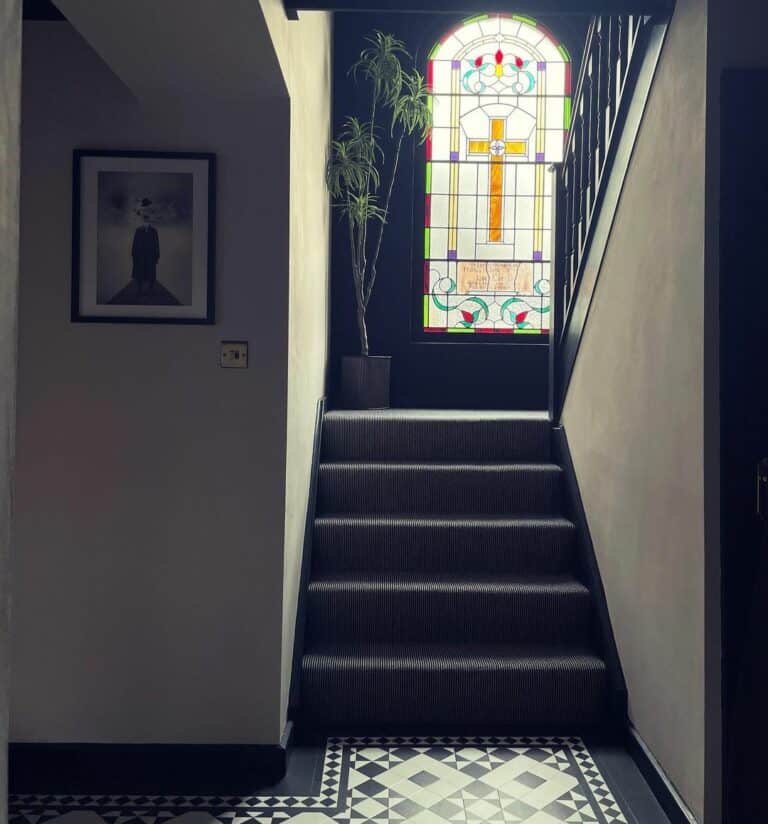
A chapel house with deep neutrals and a fully carpeted staircase illustrates the role of flooring in home design. Chosen materials can guide the design, while the period of the home can inspire it. Options include wall-to-wall carpet or wooden treads with runners.
A home always supports its resident. Advice from community readers will hopefully ease that journey.